
Six Cocktail Predictions Shaping 2026
An operator’s view on where the bar world is headed next.
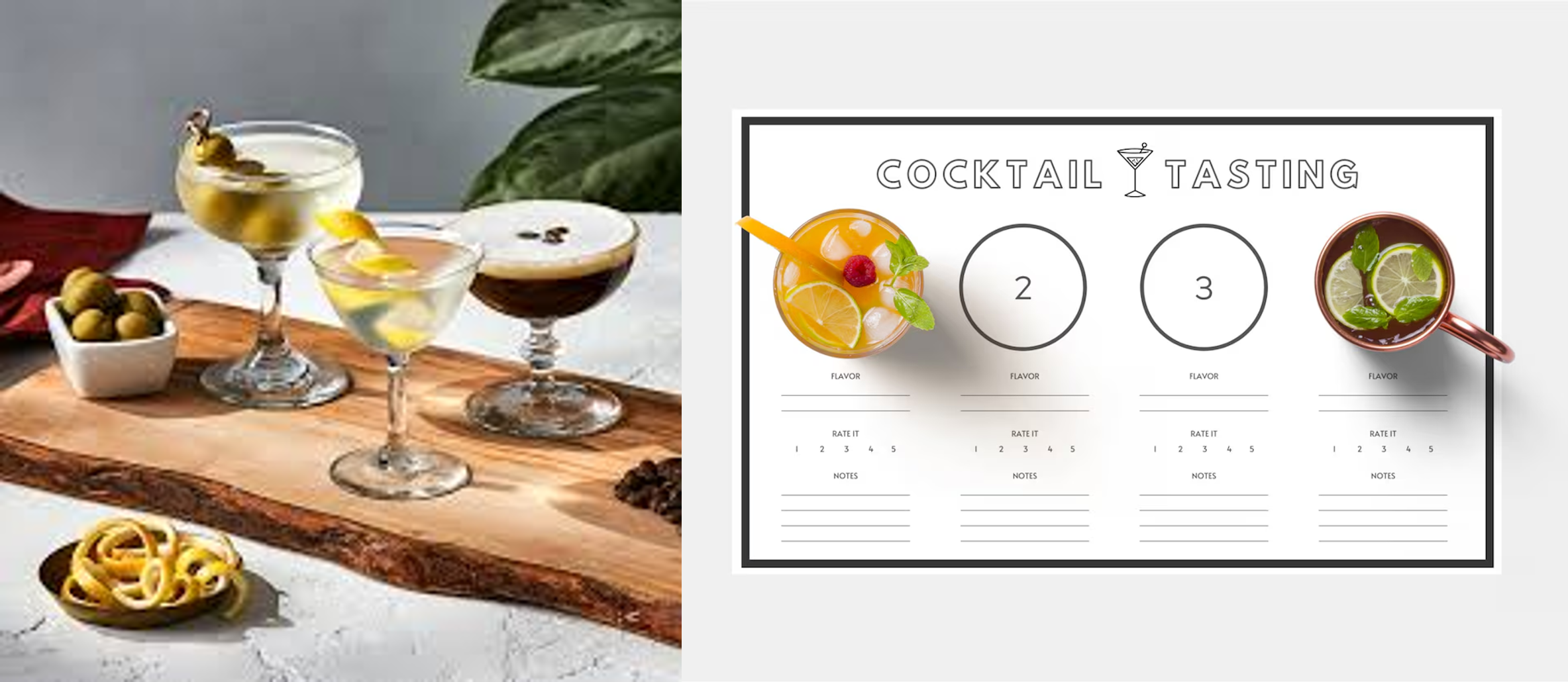
1. Tiny Cocktails Go Mainstream
The mini-cocktail movement moves from novelty to core menu strategy in 2026.
Operators are discovering that tasting-style cocktail flights increase check averages while supporting lower-alcohol and mindful drinking behaviors.
The operational tension is real. Four small drinks require the same labor precision as four full cocktails, with zero margin for waste.
Programs that succeed will be the ones that can execute multiple builds quickly, consistently, and without over-pouring, turning creativity into profit instead of friction.
2. Herbal Liqueurs Become the New Modifier
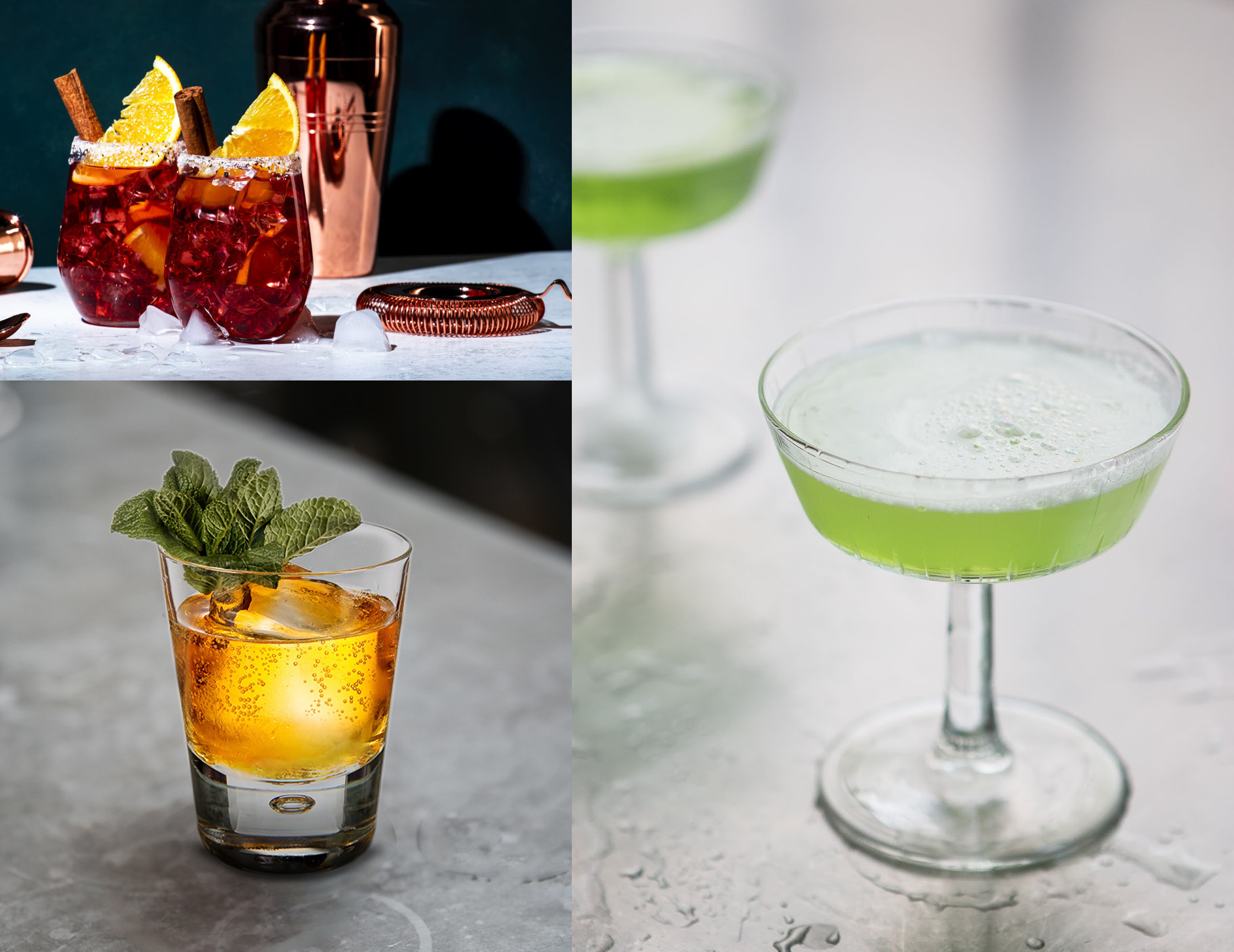
Herbal liqueurs move from back-bar curiosities to primary flavor drivers.
Ingredients like Chartreuse-style and alpine bitters bring complexity, but only when used with restraint.
In 2026, precision matters more than abundance. A sixteenth of an ounce too much can dominate a drink.
The bars that win with herbal profiles will be those that treat these spirits like seasoning, not base pours, protecting flavor integrity and cost simultaneously.
3. Self-Serve Moves From Novelty to Necessity in Stadiums and Arenas
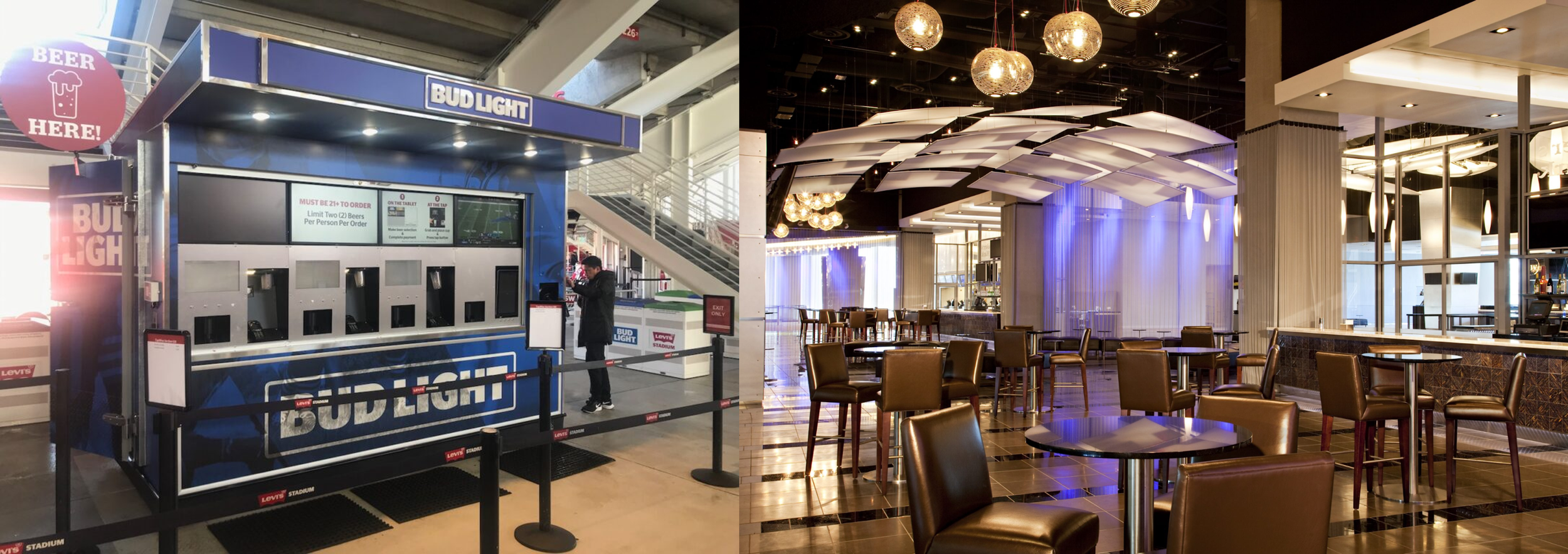
Stadiums and arenas quietly become the proving ground for the next evolution of bar service.
In 2026, self-serve shifts from experimental to operational strategy as venues confront the same immutable constraint every event: a fixed halftime window and tens of thousands of thirsty fans.
The insight operators are acting on is simple. Guests do not want faster bartenders, they want control over time.
Self-serve works when it is structured, ticketed, and intentionally limited, allowing fans to pour quickly, return to their seats, and never miss the moment they paid to see.
What makes this trend stick is not novelty, but math. Reclaiming even 60–90 seconds per transaction materially increases total beverage throughput without adding labor or compromising compliance.
In 2026, the most successful arenas will treat self-serve as infrastructure, not attraction, designing it into premium areas, clubs, and concourses as a way to convert peak demand into captured revenue rather than lost opportunity.
4. Color Becomes a Menu Strategy
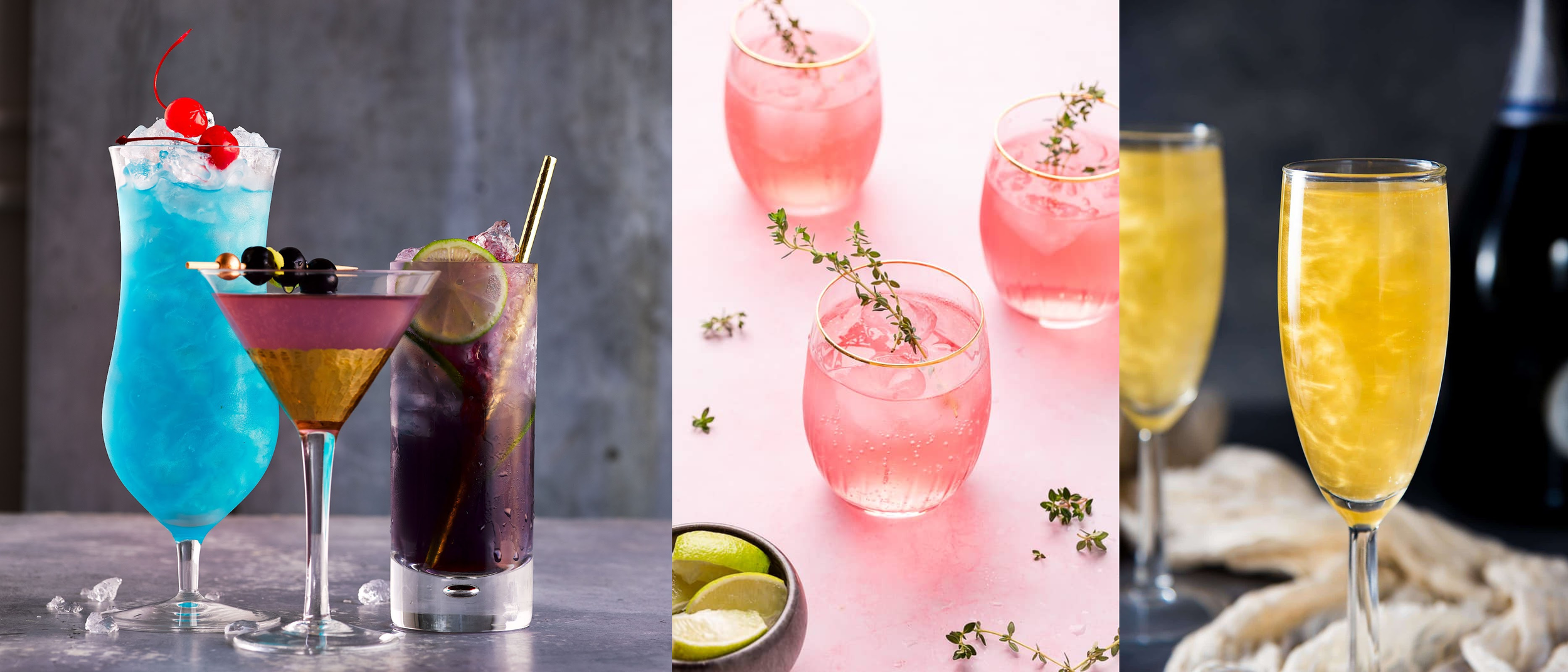
Visual impact becomes a deliberate design choice rather than a byproduct.
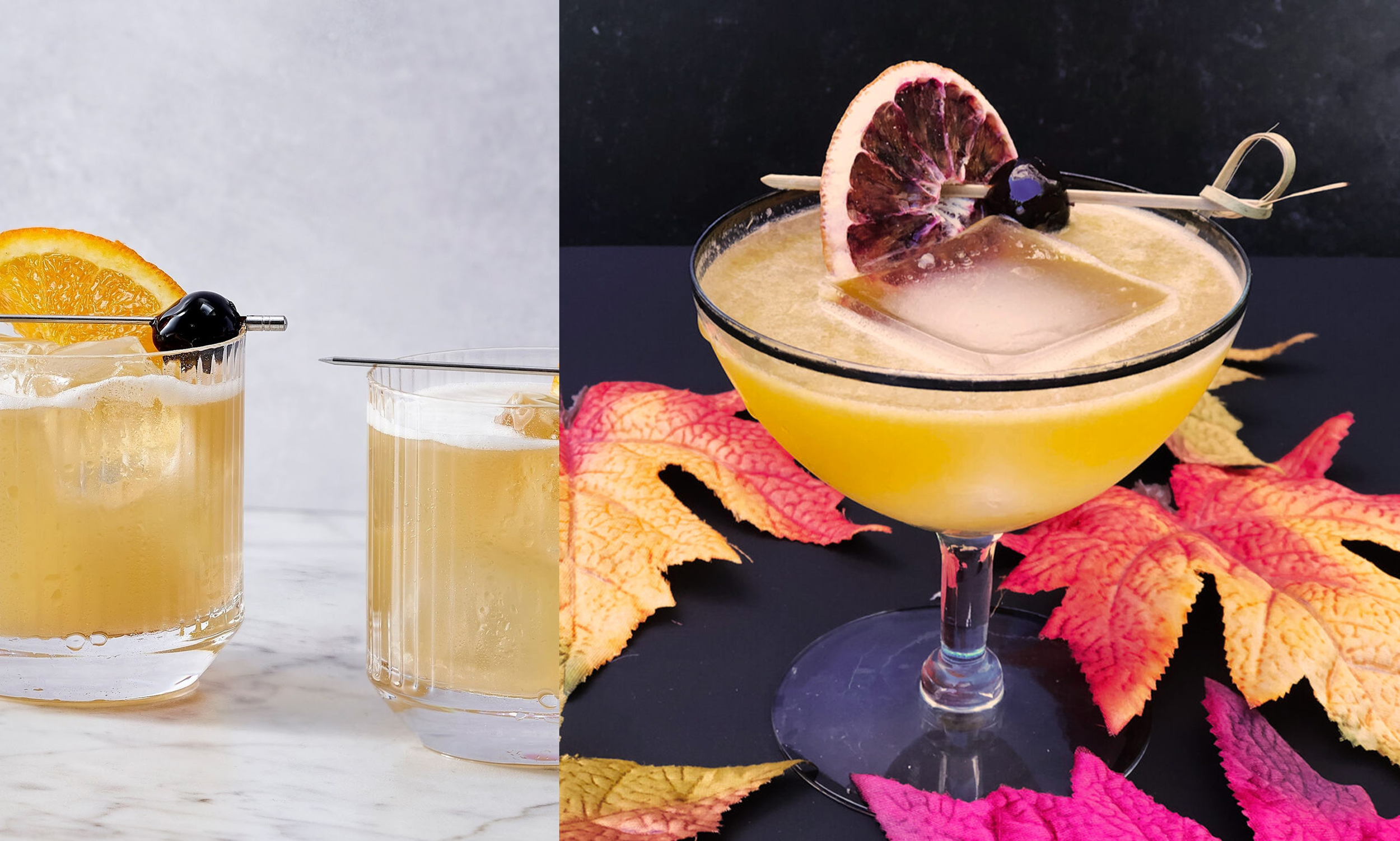
Pink, violet, citrus orange, and iridescent finishes drive social sharing and impulse orders.
What makes this trend durable is flexibility. Color-forward cocktails often rely on small ingredient swaps rather than full menu overhauls.
Operators who build adaptable systems can follow color trends seasonally without retraining staff or rebuilding recipes from scratch.
5. The Sour Takes Over
The sour format becomes the next universal template, much like the Mule did a decade earlier.
Its appeal is structural: spirit, acid, balance, and endless room for interpretation across base spirits and modifiers.
From whiskey to agave to botanical profiles, the sour gives bars a creative playground that guests already understand.
In 2026, expect menus where multiple sections quietly rely on sour architecture, delivering familiarity without boredom.
6. Becherovka Has Its Moment
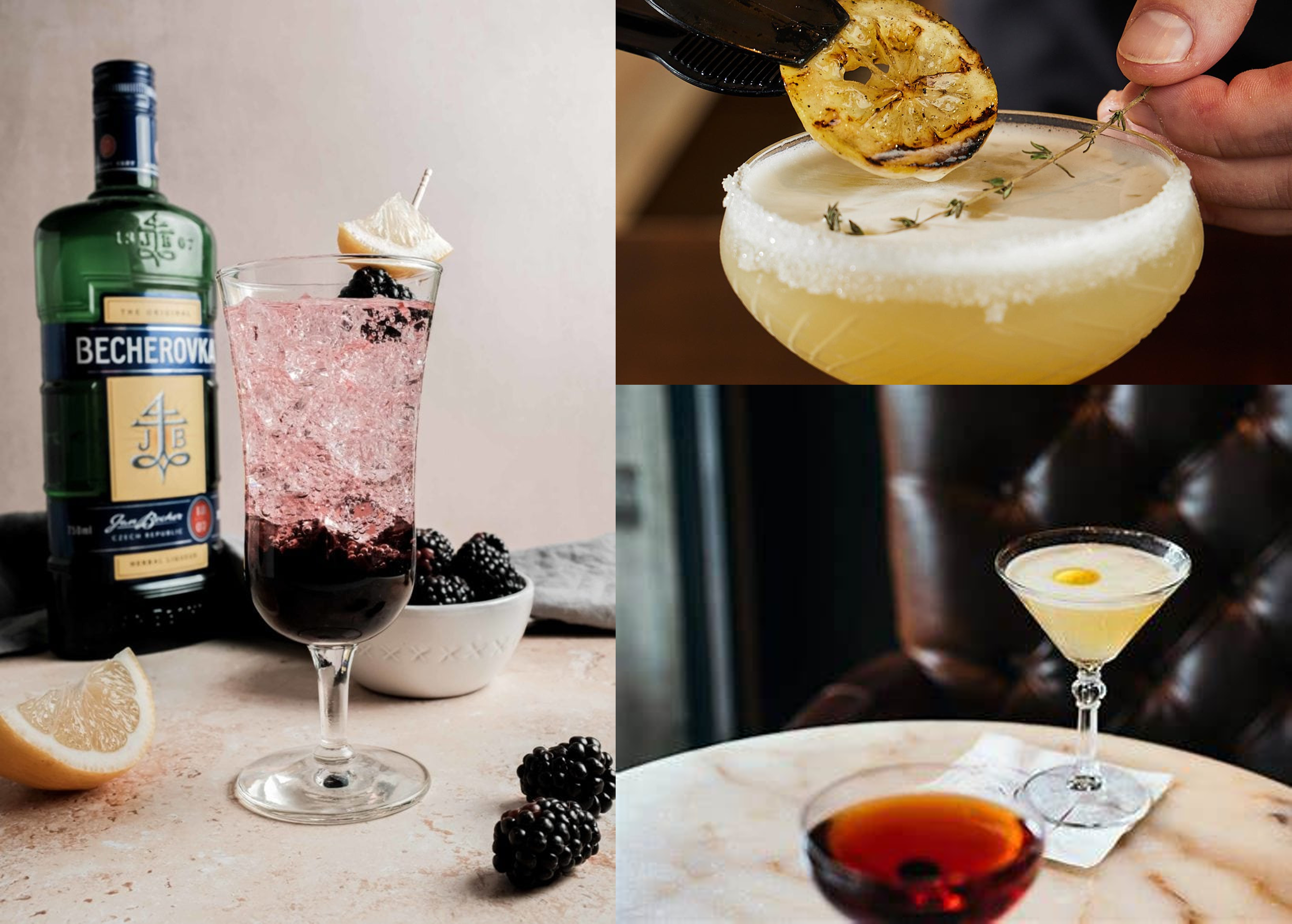
Every few years, a heritage spirit breaks through by fitting modern sensibilities, and 2026 belongs to Becherovka.
This Czech herbal liqueur brings cinnamon, clove, and baking spice in a way that feels both nostalgic and fresh.
One standout example is a Becherovka riff on a Bee’s Knees, inspired by the “Metamorphosis” cocktail from Eastern Standard in Boston, named after Franz Kafka.
Swap gin for Becherovka and the drink transforms into something warm, aromatic, and perfectly aligned with the rising sour movement.
Expect to see this spirit quietly inserted into classic frameworks, surprising guests while feeling completely natural.
Looking Ahead
What ties these predictions together isn’t novelty, it’s execution.
The cocktail programs that thrive in 2026 will be the ones that embrace creativity without sacrificing speed, consistency, or control.
As menus grow more expressive and guests expect more choice, the future belongs to bars that design systems as thoughtfully as they design drinks.